
Small Business Electricity Rates UK: Best Deals for SMEs in 2026

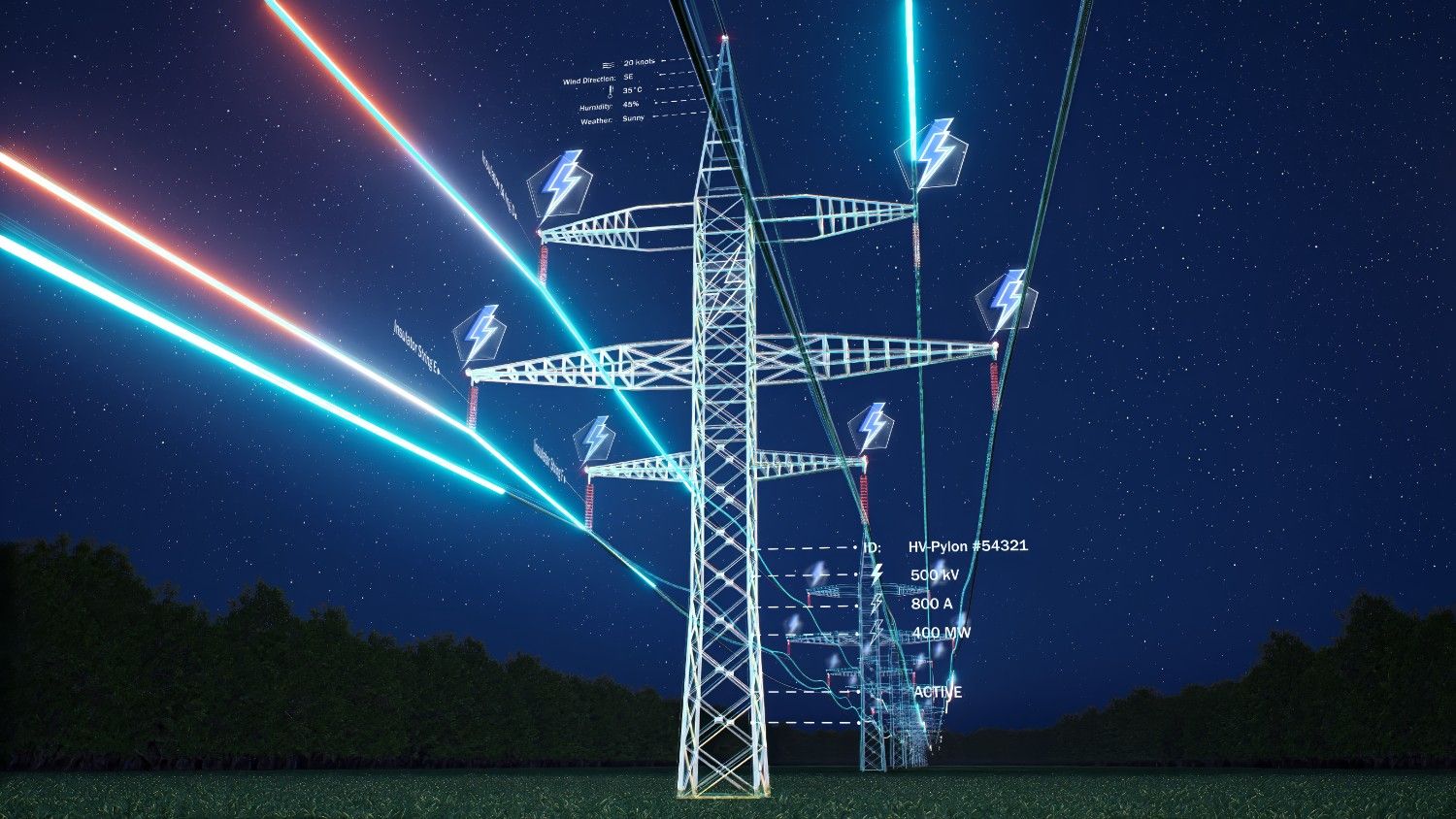
Energy remains one of the largest operational costs for UK SMEs. With wholesale price fluctuations, policy changes, and supplier competition reshaping the market, understanding Business Electricity Rates in 2026 is critical for cost control and long-term planning.
For small businesses, even minor differences in electricity unit rates can translate into thousands of pounds in annual savings. This guide explains current pricing trends, how Business Electricity Rates are calculated, and how SMEs can secure the best deals in the UK.
Understanding Business Electricity Rates in 2026
Business Electricity Rates are not fixed nationally. They vary depending on:
-
Business size and annual consumption
-
Location within the UK
-
Contract length
-
Credit profile
-
Market wholesale prices
Rates are typically quoted in pence per kWh (unit rate) plus a daily standing charge.
In 2026, SMEs are increasingly choosing structured procurement strategies rather than relying on automatic renewals, which often lead to higher rollover tariffs.
What Is the Average Business Electricity Rate in the UK?
While rates fluctuate throughout the year, SMEs typically pay:
-
A unit rate (p/kWh)
-
A standing charge (daily fixed fee)
Small businesses with lower annual consumption often pay slightly higher unit rates than large enterprises due to purchasing volume differences.
However, competitive comparison platforms and energy consultants have made it easier than ever to secure competitive Business Electricity Rates.
Fixed vs Variable Electricity Tariffs for SMEs
Choosing the right tariff structure is one of the most important decisions for small businesses.
Fixed Business Electricity Rates
-
Lock in a unit rate for 1–3 years
-
Protect against wholesale price spikes
-
Provide budgeting stability
This is the preferred option for most SMEs in 2026 due to continued market volatility.
Variable Business Electricity Rates
-
Prices fluctuate with the market
-
Can offer short-term savings
-
Higher risk exposure
For cost-sensitive SMEs, fixed Business Electricity Rates typically offer greater financial predictability.
Why Business Electricity Rates Fluctuate
Understanding what drives Business Electricity Rates helps SMEs plan effectively.
Key influencing factors include:
-
Wholesale energy market prices
-
UK energy policy and regulatory updates
-
Network distribution costs
-
Supplier competition
-
Global supply chain pressures
The broader UK energy market continues to experience volatility, making contract timing more important than ever.
How SMEs Can Secure the Best Deals in 2026
Securing competitive Business Electricity Rates requires a proactive approach.
1. Compare Multiple Suppliers
Never accept the first renewal offer. Comparing suppliers often reveals significantly lower rates.
2. Renew Before Contract Expiry
Allowing contracts to lapse can trigger expensive rollover tariffs.
3. Lock in Rates at the Right Time
Monitoring wholesale market trends helps businesses secure lower fixed deals.
4. Reduce Energy Consumption
Improving efficiency can reduce total contract costs, even if the unit rate remains similar.
Small operational changes such as upgrading lighting to LED or improving insulation can materially reduce electricity usage.
Cheapest Business Electricity Rates UK: What to Look For
The cheapest deal is not always the best deal. SMEs should evaluate:
-
Unit rate per kWh
-
Standing charge
-
Contract length
-
Exit fees
-
Renewable energy options
Transparent pricing and clear contract terms are essential when evaluating Business Electricity Rates.
Green Electricity Options for Small Businesses
Sustainability is becoming a priority for UK SMEs.
Many suppliers now offer renewable electricity tariffs sourced from wind or solar generation. While historically more expensive, green Business Electricity Rates are increasingly competitive in 2026.
Benefits include:
-
Improved brand reputation
-
ESG alignment
-
Potential eligibility for sustainability certifications
For customer-facing SMEs, renewable tariffs can strengthen marketing positioning.
Common Mistakes SMEs Make When Choosing Electricity Rates
Avoid these frequent errors:
-
Accepting auto-renewal offers without negotiation
-
Failing to compare multiple quotes
-
Choosing long contracts during peak market prices
-
Ignoring standing charges
-
Overlooking credit check impacts
A structured procurement strategy helps avoid these pitfalls and secures better Business Electricity Rates long-term.
The Importance of Reviewing Contracts Regularly
Energy markets shift quickly. Reviewing contracts annually ensures SMEs remain competitive.
Best practice includes:
-
Tracking contract end dates
-
Setting renewal reminders 6 months prior
-
Monitoring market trends quarterly
Proactive contract management prevents unexpected cost increases and protects cash flow.
Final Thoughts: Controlling Energy Costs in 2026
For UK SMEs, electricity is not just a utility expense it is a controllable business cost. Understanding how Business Electricity Rates are structured, how they fluctuate, and how to negotiate effectively gives small businesses a financial advantage.
In 2026, the most successful SMEs will be those that:
-
Compare suppliers proactively
-
Choose the right tariff structure
-
Avoid rollover contracts
-
Monitor market trends
-
Integrate energy efficiency measures
With the right strategy, small businesses can secure competitive Business Electricity Rates, protect margins, and plan confidently for the future.